Free English Poem Videos for Kids: Downloadable MP4s
Three short, openly licensed rhyme videos below can be saved as MP4 files for English practice at home. This Free English Poems for Kids: MP4 Downloads guide provides working file pages, download steps, grammar activities, and a routine for children aged 4–15. Younger learners can copy actions and repeat lines. Older children can examine verb forms, word stress, and sentence patterns. Preview each video, then watch together: a poem becomes a language lesson when your child pauses, predicts, speaks, and changes the words.
📥 Rhyme Time Vocabulary Cards
A curated printable set of useful words and phrases for learning English with short poems and video rhymes.
Leave your email — we'll send the PDF to your inbox.No spam — the PDF plus one short reminder. Unsubscribe anytime.
Three Short Poem Videos to Download
These videos are hosted on Wikimedia Commons. Each file page lists a completed 360p MPEG-4 version and a Creative Commons Attribution-ShareAlike 4.0 licence. Open the page, select the video player’s download control, and choose QuickTime 360p (MPEG-4). If the video opens in a new tab, use your browser’s “Save video as” command.
Use the Free English Poems for Kids: MP4 Downloads links as a starter set, not an endless playlist. Keep the creator’s name and licence link with each file. Before editing or sharing a video, read its licence terms. Saved files let your family practise without adverts, suggested videos, or a constant internet connection.
Why Rhythm Supports Early Grammar
Rhythm gives sentences a shape children can hear. In “the star shines” and “the stars shine,” the verb ending changes with the subject. A steady beat highlights that difference. Clap on the main words, slow the line, and ask your child to repeat it without the video. Aim for accurate speech, not a perfect singing voice.
The Free English Poems for Kids: MP4 Downloads format supports repeated listening without a long lesson. Children can copy one pattern, such as “The rocket is flying.” Older learners can change the subject or tense: “The rockets are flying” or “The rocket flew.” Practising one pattern in different forms teaches more than repeating lines without thought.
How Visual Poems Build Useful Vocabulary
A picture or gesture can convey meaning before translation. When a performer points, claps, rolls their hands, or looks upward, your child connects each spoken verb with an action. After viewing, pause and ask, “What is happening?” Accept a one-word answer, then extend it: “Clapping” becomes “The child is clapping.”
For vocabulary practice, Free English Poems for Kids: MP4 Downloads should not become background entertainment. Choose three to five words from one video. Ask your child to point, act, draw, or use each word in a new sentence. In a multilingual family, explain briefly in a home language, then return to English for the action and sentence. Existing languages support learning.
Common Mistakes with Video Poems
The first mistake is replaying a poem without asking your child to speak. Recognition differs from recall. Pause before a repeated word and let your child supply it. During the next viewing, mute one short section and ask for the whole line. Stop while the activity feels light.
The second mistake is correcting every sound at once. Choose one target: a final -s, the difference between is and are, or one vowel. Another error is treating one accent as the only correct model. English has valid accents worldwide. Focus on understandable speech while helping your child hear pronunciation differences across countries and families.
Grammar Practice Through Rhyme
Begin with a form your child partly knows. Present simple suits repeated actions: “The star shines” or “The children clap.” Present continuous describes the screen action: “The rocket is moving.” Imperatives fit action rhymes: “Point up,” “turn around,” and “clap twice.” Say the sentence before naming the rule.
Choose the Correct Verb
Read each sentence to the beat: “The bright star shine / shines at night.” “Two stars shine / shines at night.” “The rocket is flying / are flying upward.” Answers: shines, shine, is flying. Ask your child what changed when one star became two.
Once the choices feel easy, remove them. Your child must retrieve the word instead of recognising it. Keep the rhythm but change one sentence part. This tests whether the grammar pattern transfers into new speech.
Change One into Many
Complete the new sentences: “The frog jumps. The frogs ___.” “The star shines. The stars ___.” “The child is clapping. The children ___ clapping.” Answers: jump, shine, are. For an extra turn, replace each subject with another animal, object, or person.
Across lessons with our LearnLink tutors, children use a pattern in a fresh sentence instead of repeating it unchanged. At home, ask one follow-up question such as “What else shines?” or “Who is clapping?” A short answer checks understanding.
Build a Short Home Routine
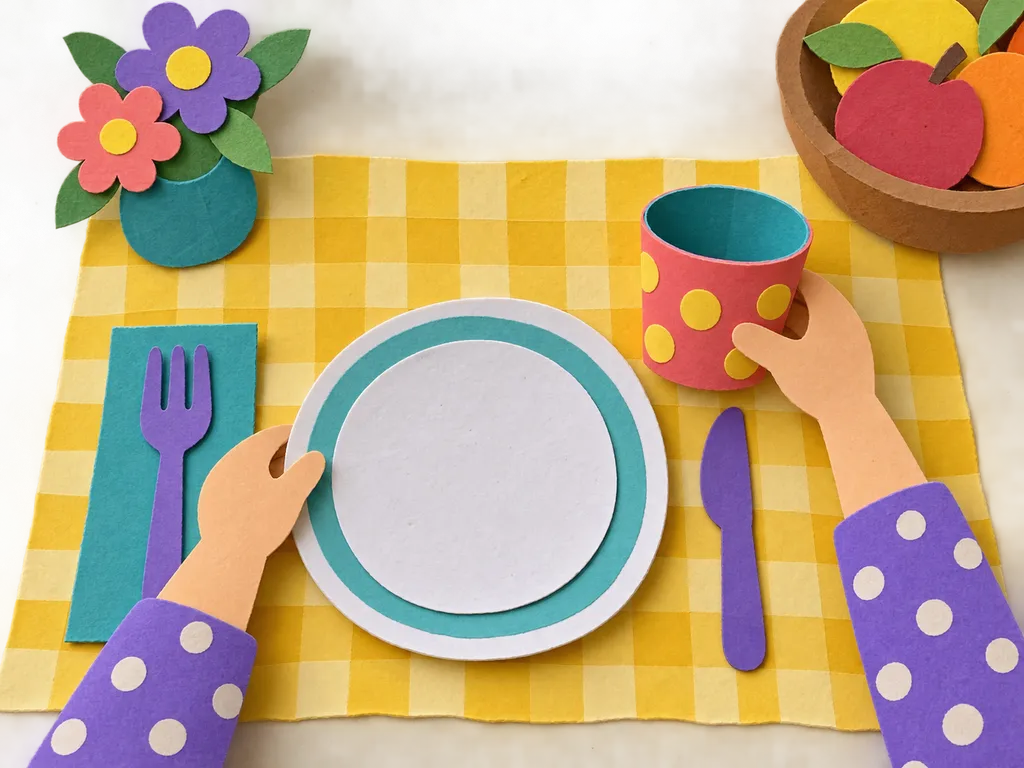
Use a three-step routine. First, watch the whole poem. Second, replay it and pause for actions, missing words, or verb choices. Third, turn off the video and use one pattern in a new sentence. One short clip can support several days of practice when the task changes each time.
For children, a brief session with movement often works better than a long written task. Older children can mark stressed words, compare verb forms, or write a new two-line verse. If your child loses focus, shorten the task instead of adding repetitions.
Record the poem title, three target words, and one grammar pattern. Revisit the entry after a few days and request a new example. Progress means your child can use the language away from the video, not merely sing along.
- Choose one age-appropriate poem and watch its MP4 twice together.
- Pause after each line, then ask your child to echo it.
- Clap the rhythm for five minutes, emphasizing stressed words and clear sounds.
- Use Free English Poems for Kids: MP4 Downloads to practice one poem daily.
- Finish by recording a thirty-second recitation and celebrating one improvement.
When a word has several meanings or pronunciations, Cambridge Dictionary is a useful check before turning it into child-friendly examples.
Frequently Asked Questions
Where Can I Download English Poem Videos Safely?
Start with the Free English Poems for Kids: MP4 Downloads links above. They lead to Wikimedia Commons file pages showing the creator, licence, duration, and available formats. Choose the listed MPEG-4 version instead of an unknown conversion site. Preview each file, keep the attribution information, and store the video in a named family learning folder.
How Long Should a Poem Activity Last?
One short video followed by a few minutes of speaking is enough. Stop when your child completes the chosen task, such as supplying a missing verb or using three new words. A younger child may need movement after each replay. An older child may stay longer to rewrite a verse. Session quality matters more than a fixed duration.
Can My Child Learn Grammar Only from Video Poems?
Video poems make patterns easier to hear and remember, but cannot replace conversation, reading, or feedback. Your child must answer questions, build original sentences, and use the grammar elsewhere. Treat each poem as a starting point. Follow it with a short exchange about the pictures, actions, or events so the language moves beyond memorised lines.
What If My Child Speaks Two or More Languages?
Use those languages when meaning is unclear. Name an object in a home language, then return to the English word, action, and sentence. Do not ask your child to hide an accent or separate languages completely. The goal is to understand the English pattern and use it accurately. Comparing word order may help an older child understand English structure.
Should My Child Memorise the Whole Poem?
Memorisation is optional. A child who adapts one language pattern does more active work than one who repeats a poem without understanding it. Choose one or two lines, check the key words, then change the subject, action, or number. If your child enjoys performing the full poem, keep it playful and ask one meaning question afterwards.
Start your child's English journey today — book a trial lesson with LearnLink.
Stay updated on our latest tips and resources by following us on Instagram LearnLink.